
Sanskriti Junction
Who We Work With
Sanskriti Junction works with schools, childcare centres, aged care providers, community organisations, local councils and corporate workplaces across Melbourne and Victoria.
Positive behaviour and emotional self-regulation are central to our programs. We combine gentle breathing exercises with yoga, meditation, art and craft, dance, music, drama and ethical games. These activities give participants opportunities to pause, manage emotions, communicate respectfully and make thoughtful choices.

A systematic review and meta-analysis of 223 studies found that voluntary slow breathing increased heart-rate variability, which is associated with the body’s ability to regulate stress. Another major study of 213 social and emotional learning programs involving 270,034 students found improvements in behaviour, emotional skills and academic performance. Breathing research Social-emotional learning research
Research shows that music and dance can help reduce stress by combining rhythm, movement, emotional expression and social connection. A meta-analysis of 47 studies involving 2,747 participants found that music-based interventions reduced both psychological and physical measures of stress. Dance also encourages physical activity and emotional expression, which may improve mood, reduce tension and strengthen confidence and social connection.
Source: de Witte et al. (2022), Music Therapy for Stress Reduction: A Systematic Review and Meta-Analysis, Health Psychology Review. View the research
These findings guide our approach: calm the body, understand the emotion, consider the choices and practise positive behaviour.
Schools
Schools are responding to increasing concerns involving anxiety, bullying, classroom disruption, low resilience, excessive screen time and difficulty managing emotions. Almost 14% of Australian children aged 4–11 experienced a mental health condition during a 12-month period. Australian Institute of Health and Welfare
Students learn simple breathing exercises they can use before class, during transitions, before assessments or when experiencing frustration. Slow breathing creates a pause between an emotion and a reaction. This can help students become more prepared to use positive strategies such as asking for help, speaking calmly or taking time to think.
Ethical games such as Moksha Patam demonstrate how choices have consequences. Drama and role-play allow students to practise responding to conflict, peer pressure and misunderstandings. Yoga, meditation, art, dance and music provide constructive ways to manage energy, express emotions and participate positively.
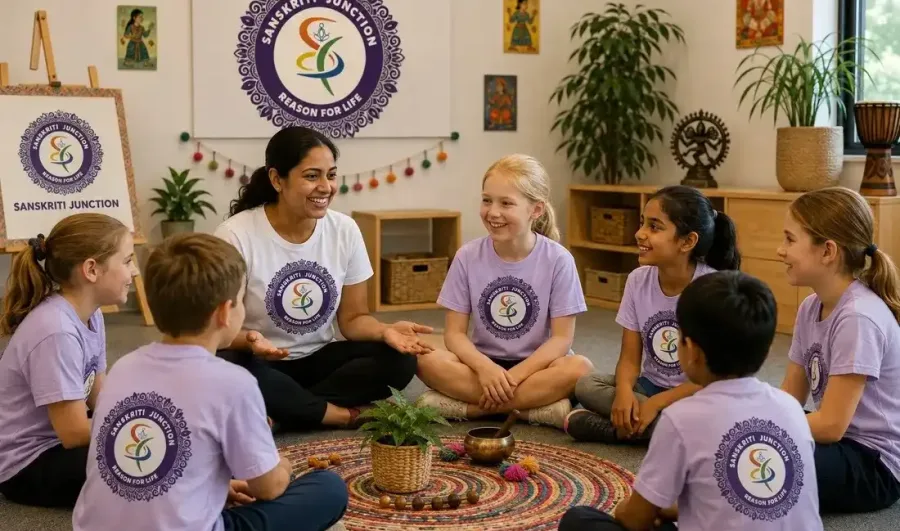
Our behaviour-focused activities address:
Respectful communication
Anger and impulsive reactions
Responsibility and decision-making
Bullying and exclusion
Cooperation and fairness
Resilience after mistakes or disappointment
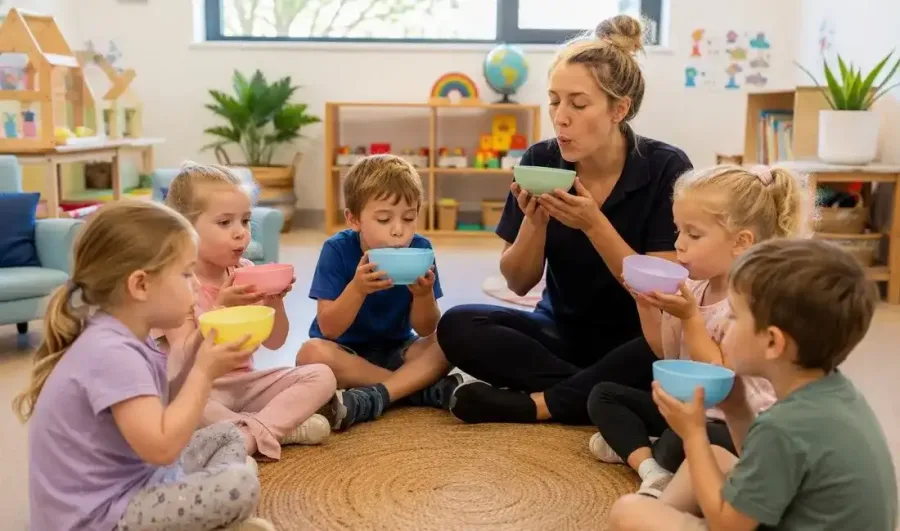
We introduce breathing through playful activities such as:
Smelling an imaginary flower and gently blowing out a candle
Breathing with a soft toy resting on the tummy
Slowly cooling imaginary hot food
Stretching like an animal while breathing gently
Childcare Centres
Young children are still learning how to recognise emotions, wait for their turn, follow instructions and communicate their needs. Behaviours such as biting, hitting, shouting or refusing to share can occur when children do not yet have the words or skills to express strong feelings.
These activities help children notice when their bodies are becoming excited or upset. Educators can reinforce the same techniques during transitions, rest time or emotionally challenging moments.
Aged Care Providers
Older adults may experience loneliness, frustration, memory changes, reduced independence or difficulty communicating their needs. These experiences can sometimes appear as withdrawal, agitation, irritability or reluctance to participate.
Gentle guided breathing can create a calm beginning to an activity and reduce pressure on residents to participate immediately. Sessions do not use rapid breathing, forceful techniques or prolonged breath-holding.
Music, storytelling and familiar cultural activities may encourage residents who are socially withdrawn to reconnect with others. Games provide structured interaction, while breathing and meditation offer quieter options for residents who prefer calm activities.
Programs are adapted to residents’ abilities and complement their professional care plans.
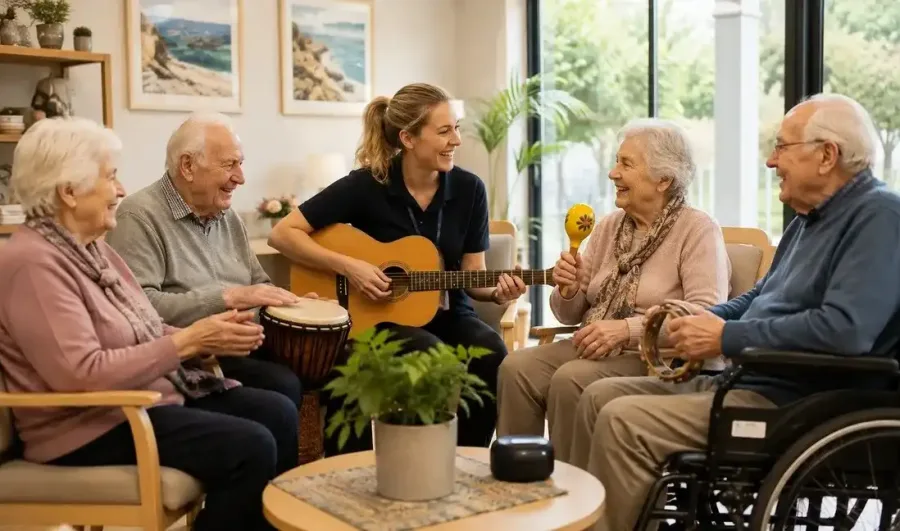
Our activities support positive engagement by providing:
Predictable and welcoming routines
Gentle movement and seated yoga
Art and craft for creative expression
Traditional games for turn-taking and conversation
Choices about how to participate
Familiar music and cultural experiences
Drama and storytelling for sharing memories

Our community programs strengthen connection:
Welcome and include others
Cooperate across generations
Take responsibility for shared community spaces
Resolve disagreements respectfully
Respect cultural differences
Community Organisations
Almost a third of Australians report feeling lonely, and one in six report severe loneliness. Social isolation, cultural disconnection and limited face-to-face interaction can affect confidence, communication and community participation. View the report
Music and dance unite community members through shared rhythm, movement and enjoyment. Group participation encourages positive face-to-face interaction among people of different ages, cultures and abilities. Cultural songs and dances provide opportunities to celebrate heritage, learn about other traditions and help everyone feel recognised and valued. These inclusive experiences can reduce social isolation, create friendships and strengthen cooperation, mutual respect and a shared sense of belonging within the community.
Local Councils
Councils are addressing mental wellbeing, loneliness, youth disengagement, antisocial behaviour, cultural inclusion and healthy ageing. With 30% of Victorians born overseas, local programs must also be culturally welcoming and accessible. Australian Bureau of Statistics
Our programs connect breathing exercises with practical behaviour messages: pause before reacting, listen before responding, respect differences and consider how choices affect others.
Ethical games and drama can address bullying, cooperation, community responsibility and respectful use of public spaces. Music, dance, art and cultural activities create positive opportunities for residents to participate together, reducing barriers between generations and communities.
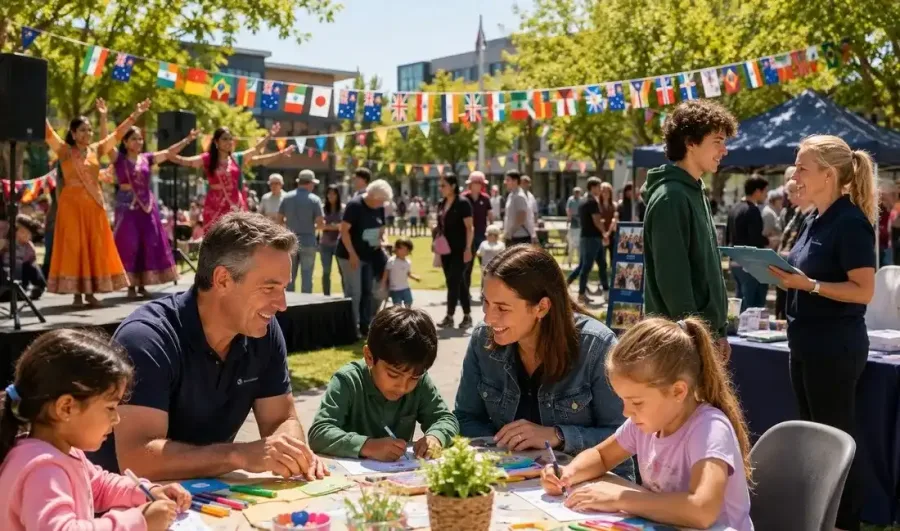
Sanskriti Junction can include breathing and self-regulation activities in:
Youth engagement programs
Community wellbeing days
Library workshops
Family and neighbourhood events
School-holiday activities
Seniors’ programs
Multicultural festivals

Our workplace programs promote:
Respectful communication
Cooperation and fair participation
Constructive responses to disagreement
Emotional self-awareness
Active listening
Cultural respect and inclusion
Corporate Workplaces
Workplace stress can affect concentration, communication, teamwork and decision-making. WorkSafe Victoria received 4,340 mental-injury claims in 2021–22, representing 15.1% of all new claims. WorkSafe Victoria
Employees learn brief breathing techniques that can be used before meetings, presentations or challenging conversations. Slow breathing does not solve workplace problems, but it can provide a moment to pause and choose a more thoughtful response.
A workplace yoga meta-analysis involving 487 employees found that yoga reduced perceived stress compared with no intervention. Workplace yoga research
Yoga, meditation and breathing support individual self-regulation. Drama and role-play help teams practise communication, while art, music, dance and cooperative games strengthen connection in an informal environment.
These activities complement—but do not replace—safe workloads, supportive leadership and effective management of workplace psychosocial risks.
Our Behaviour and Breathing Approach
Across every sector, Sanskriti Junction follows four practical steps:
Pause: Use gentle breathing to create space before reacting.
Choose: Consider the available responses and their consequences.
Recognise: Notice emotions, body signals and the situation.
Act positively: Communicate respectfully, cooperate and take responsibility.
Through breathing, movement, creativity and ethical learning, Sanskriti Junction helps people practise calmer responses, positive behaviour and stronger social connections.
Through breathing, movement, creativity and ethical learning, Sanskriti Junction helps people practise calmer responses, positive behaviour and stronger social connections.